



p38 MAPK
The p38 mitogen-activated protein kinase (p38 MAPK) family is a multifunctional serine/threonine kinase system that regulates cellular adaptation to stress, inflammation, and proliferation[1][2]. Mechanistically, p38 MAPK modulates apoptosis, cell cycle, differentiation, and gene expression in response to exogenous and endogenous stimuli[3][1]. Four isoforms—p38α, p38β, p38γ, and p38δ—exhibit distinct tissue distributions and biological functions, with p38α being ubiquitously expressed and primarily responsible for inflammatory mediator production[2][4]. Activation of p38 MAPK in endothelial cells induces cytoskeletal remodeling, angiogenesis, and DNA damage responses, highlighting its central role in cardiovascular homeostasis and cancer progression[2]. In disease models, p38 MAPK contributes to neurodegeneration, such as spinal muscular atrophy and Alzheimer’s disease, where pharmacological inhibition improves neuronal survival and cognitive function[5][6][7]. Compared with p38β, which promotes SARS-CoV-2 replication and suppresses type-I interferon responses, p38α mainly regulates stress and inflammatory signaling[4]. Selective inhibitors, including SB203580, MW150, and VX-702, have been applied in experimental systems to delineate isoform-specific roles and evaluate therapeutic potential in inflammatory, neurodegenerative, and viral disease models[8][5][9][10]. Agonists or modulators, such as RO27-3225, influence upstream or parallel pathways to p38 MAPK, providing experimental tools to study neuroinflammation and signal compensation[11].
References:
- [1]. Hasan AM, et al. Involvement of the α/β isoform of p38 MAP kinase in chemotactic responses of human eosinophils to eotaxin (CCL11) and RANTES (CCL5). Am J Immunol. 2017;13:209-215.
- [2]. Ganguly P, et al. Revisiting p38 Mitogen-Activated Protein Kinases (MAPK) in Inflammatory Arthritis: A Narrative of the Emergence of MAPK-Activated Protein Kinase Inhibitors (MK2i). Pharmaceuticals (Basel). 2023 Sep 12;16(9):1286. [Content Brief]
- [3]. Carlini MJ, et al. Identification of p38 MAPK inhibition as a neuroprotective strategy for combinatorial SMA therapy. EMBO Mol Med. 2025 Oct;17(10):2762-2786. [Content Brief]
- [4]. Falcicchia C, et al. Involvement of p38 MAPK in Synaptic Function and Dysfunction. Int J Mol Sci. 2020 Aug 6;21(16):5624. [Content Brief]
- [5]. Xing L. Clinical candidates of small molecule p38 MAPK inhibitors for inflammatory diseases. MAP Kinase. 2015;4:5508.
- [6]. Corre I, et al. The p38 pathway, a major pleiotropic cascade that transduces stress and metastatic signals in endothelial cells. Oncotarget. 2017 May 29;8(33):55684-55714. [Content Brief]
- [7]. Jiang R, et al. Effectiveness of exercise on perinatal depression and anxiety symptoms: A network meta-analysis and dose-response analysis. Int J Gynaecol Obstet. 2026 Jun;173(3):1308-1324. [Content Brief]
- [8]. Onishi T, et al. The PERK-p38 MAPK Axis Drives Endoplasmic Reticulum Stress-Induced Apoptosis in Fuchs Endothelial Corneal Dystrophy. Invest Ophthalmol Vis Sci. 2025 Aug 1;66(11):63. [Content Brief]
- [9]. Sun Y, et al. Suppression of Alzheimer's disease-related phenotypes by the heat shock protein 70 inducer, geranylgeranylacetone, in APP/PS1 transgenic mice via the ERK/p38 MAPK signaling pathway. Exp Ther Med. 2017 Dec;14(6):5267-5274. [Content Brief]
- [10]. Hermans A, et al. A 3D-Printed and Freely Available Device to Measure the Zebrafish Optokinetic Response Before and After Injury. Zebrafish. 2024 Apr;21(2):144-148. [Content Brief]
- [11]. Chen S, et al. Activation of melanocortin receptor 4 with RO27-3225 attenuates neuroinflammation through AMPK/JNK/p38 MAPK pathway after intracerebral hemorrhage in mice. J Neuroinflammation. 2018 Apr 11;15(1):106. [Content Brief]
All Product Categories
-
p38 MAPK Inhibitors
(531)
View all products
-
p38 MAPK Agonists
(5)
View all products
-
p38 MAPK Antagonists
(2)
View all products
-
p38 MAPK Activators
(148)
View all products
-
p38 MAPK Modulators
(17)
View all products
-
p38 MAPK p53 Inhibitor
(1)
View all products
-
p38 MAPK Inducers
(11)
View all products
-
p38 MAPK Degrader
(1)
View all products
-
p38 MAPK Control
(1)
View all products
-
p38 MAPK Related Products (778)
Related Products (778)

-
Antibodies (8)
-
Tubeimoside I
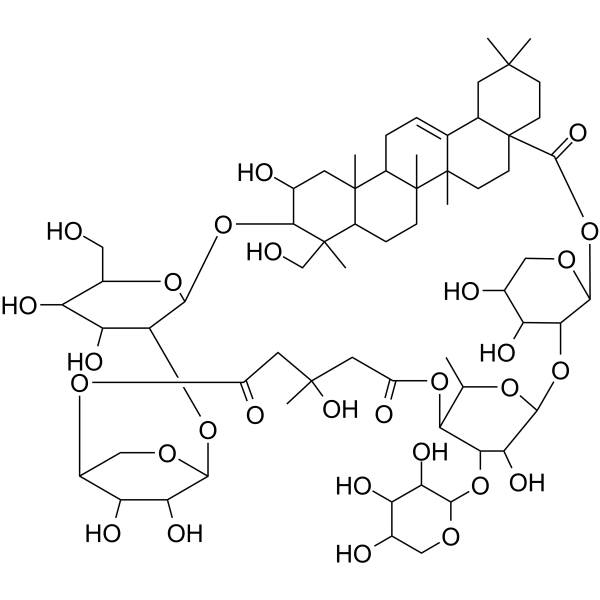 0 ImagesSynonyms: Tubeimoside-1; Lobatoside-HTubeimoside I is an orally active HSPD1 inhibitor. Tubeimoside I inhibits NF-κB, MAPK, as well as regulates eNOS-VEGF. Tubeimoside I induces cytoprotective Autophagy via an Akt-mediated pathway. Tubeimoside I inhibits proinflammatory cytokine (IL-6 and IL-1β) production. Tubeimoside I exhibits anti-inflammatory activities. Tubeimoside I promotes angiogenesis and improves sepsis symptoms. Tubeimoside I is used in the research of inflammatory diseases, various cancers, sepsis and ischemic diseases.
-
Semaglutide acetate
 0 ImagesSemaglutide acetate is a long-acting, selective, competitive GLP-1R agonist that can penetrate the blood-brain barrier. After activating GLP-1R, Semaglutide acetate promotes insulin secretion, inhibits gastric emptying and appetite, and at the same time enhances autophagy, inhibits oxidative stress and apoptosis. Semaglutide acetate also regulates mitochondrial function and lipid metabolism (such as reducing de novo lipogenesis in the liver). Semaglutide acetate has activities such as lowering blood sugar, reducing weight, neuroprotection (such as improving motor function in Parkinson's disease models, reducing α-synuclein aggregation) and improving hepatic steatosis. Semaglutide acetate can be used for the study of neurodegenerative diseases and liver diseases such as type 2 diabetes, obesity, Parkinson's disease, metabolic associated fatty liver disease (MASLD), and cancer.
-
Isoacteoside
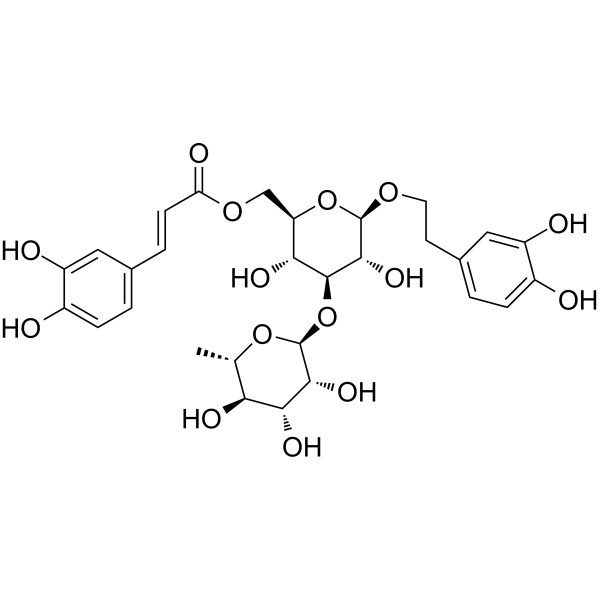 0 ImagesSynonyms: IsoverbascosideIsoacteoside is a natural product that can significantly inhibit the formation of glycation end products. Isoacteoside regulates the AKT/PI3K/m-TOR/NF-κB signaling pathway, induces apoptosis in OVCAR-3 cell. Isoacteoside exhibits antitumor, anti-inflammatory, anti-obesity and neuroprotective activities.
-
Madecassoside
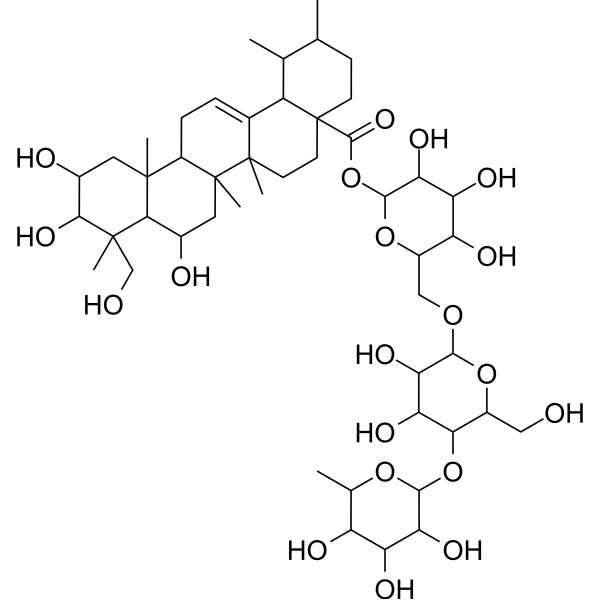 0 ImagesSynonyms: Asiaticoside AMadecassoside is a pentacyclic triterpene isolated from Centella asiatica and has anti-inflammatory properties. Antioxidant and anti-aging effects. Madecassoside is a pentacyclic triterpene isolated from Centella asiatica. Madecassoside is orally active and has inhibitory properties against inflammation, oxidation, apoptosis and autophagy. Madecassosid inhibits activities of p38 MAPK and NF-kB, exhibits an anti-apopototic property, activates Nrf2 expression to reduce the neurotoxicity. Madecassoside can be used in endocrine diseases, cardiovascular diseases, skin diseases and other diseases.
-
Losmapimod
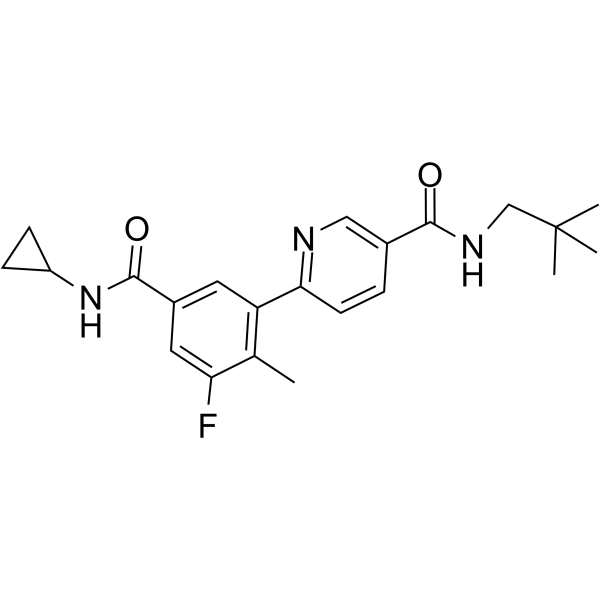 0 ImagesSynonyms: GSK-AHAB; GW856553X; SB856553Losmapimod (GSK-AHAB; GW856553X) is an orally active p38α/β MAPK inhibitor, with pKi values of 8.1 and 7.6 for p38α and p38β, respectively. Losmapimod reduces DUX4 expression, thus exerting efficacy in facioscapulohumeral muscular dystrophy. By inhibiting MAPK/NF-κB, Losmapimod reduces apoptosis of epileptiform hippocampal neurons, and exhibits anti-allodynia and anti-hyperalgesic activities. Losmapimod blocks the entry and fusion of Lassa fever virus (LASV). Losmapimod overcomes tyrosine kinase inhibitor resistance in non-small cell lung cancer (NSCLC). Losmapimod inhibits myocardial senescence and inflammation, and possesses cardioprotective activity against cardiotoxicity.
-
Darizmetinib
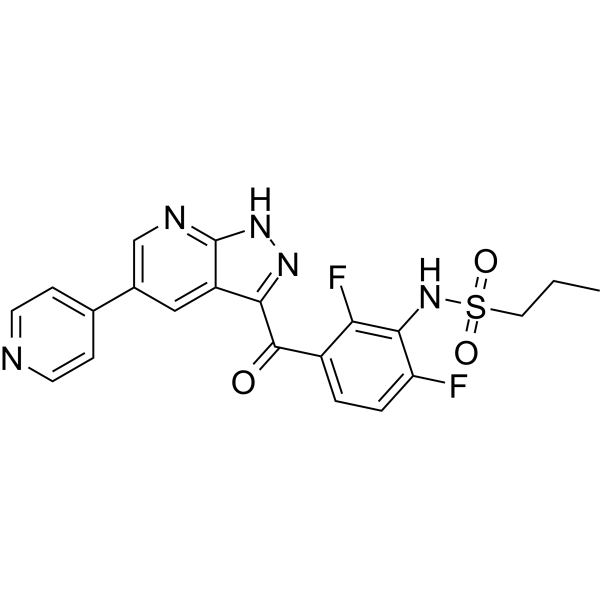 0 ImagesSynonyms: HRX-0215Darizmetinib (HRX-0215) is an orally active, potent and selective inhibitor of mitogen-activated protein kinase kinase 4 (MKK4). Darizmetinib leads to enhancement of the MKK7 and JNK1 signaling pathways, thereby activating the transcription factors ATF2 and ELK1, promoting cell proliferation and liver regeneration. Darizmetinib is promising for research of preventing liver failure after extensive oncological liver resections or transplantation of small liver grafts.
-
Esculin
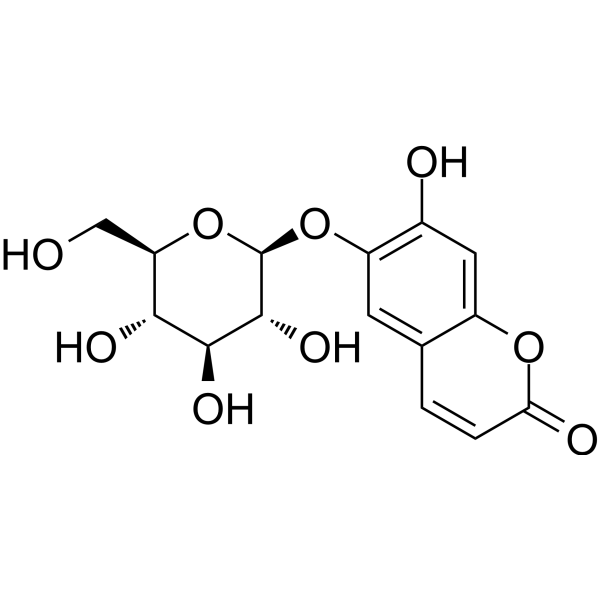 0 ImagesEsculin is a fluorescent coumarin glucoside, the active ingredient in ash bark. Esculin has antidiabetic effects, improves cognitive impairment in experimental diabetic nephropathy (DN) via the MAPK signaling pathway, and exerts antioxidant stress and anti-inflammatory effects. Esculin also has anticancer, antibacterial, antiviral, neuroprotective, antithrombotic, and therapeutic properties for eye diseases.
-
Malabaricone C
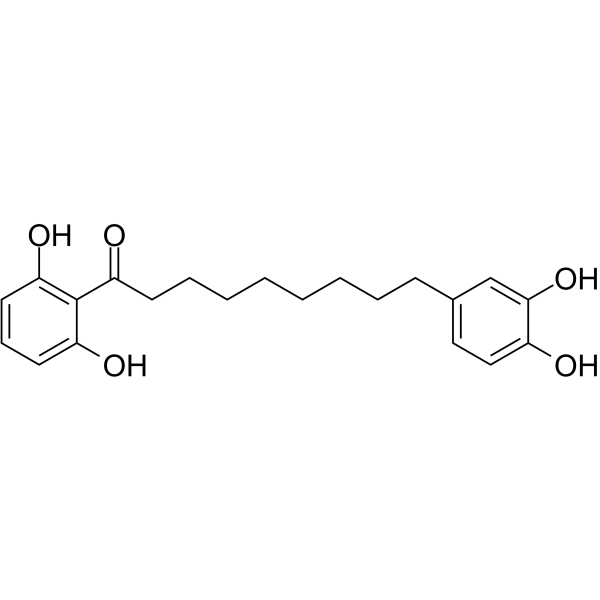 0 ImagesMalabaricone C is an orally active and noncompetitive sphingomyelin synthase (SMS) inhibitor with IC50 values of 3 μM and 1.5 μM for SMS 1 and SMS 2, respectively. Malabaricone C reduces body weight gain, improves glucose tolerance, and decreases lipid accumulation in the liver, showing significant prevention of high fat diet-induced fatty liver in mice. Malabaricone C has anti-inflammatory effects, which is found in the fruits of Myristica cinnamomea King. Malabaricone C is promising for research of obesity and immunological disorders caused due to hyper-activation of T-cells.
-
Plantamajoside
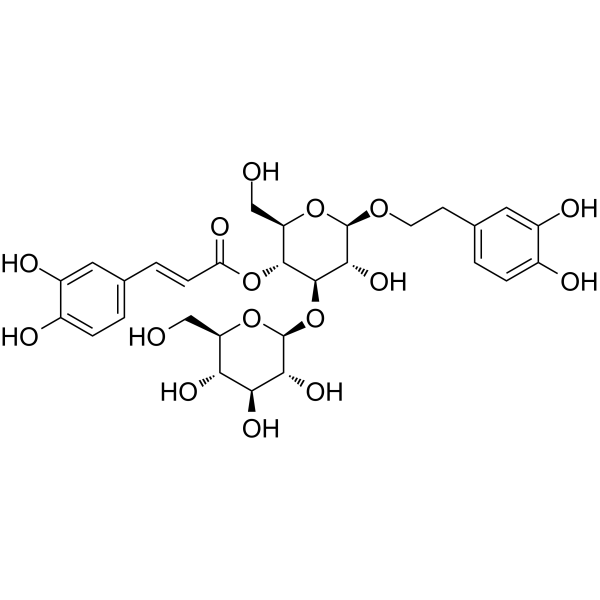 0 ImagesPlantamajoside is an orally active phenylpropanoid glycoside. Plantamajoside can be isolated from Plantago asiatica L.(Plantaginaceae). Plantamajoside inactivates NF-κB, PI3K/akt, induces Apoptosis, and improves Autophagy. Plantamajoside regulates MAPK, integrin-linked kinase/c-Src. Plantamajoside inhibits multiple cancers, improves lung and kidney damage. Plantamajoside has neuroprotective and anti-inflammatory effects.
-
Histamine dihydrochloride
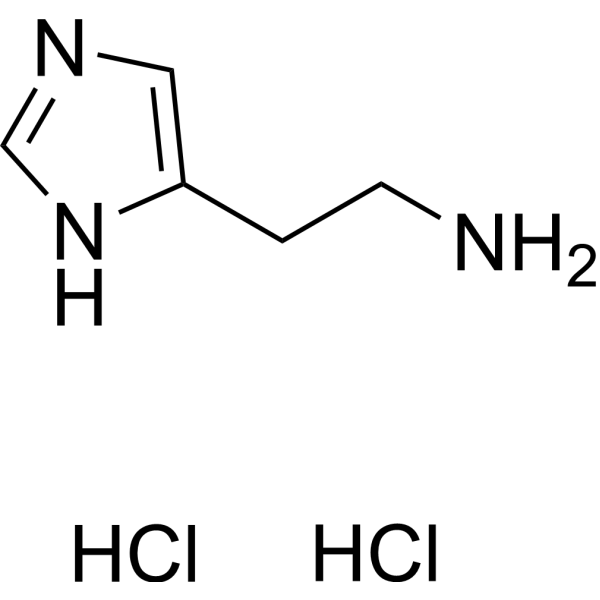 0 ImagesHistamine dihydrochloride is the agonist for histamine receptor and a vasodilator. Histamine dihydrochloride is an organic nitrogen compound that participates in local immune responses, regulates intestinal physiological functions, and acts as a neurotransmitter. Histamine dihydrochloride affects p38 MAPK/Akt signaling pathway, exhibits antitumor, antioxidant and anti-inflammatory activities. Histamine dihydrochloride can be used in the research of acute myeloid leukemia, malignant melanoma, and renal cell carcinoma.
-
Exarafenib
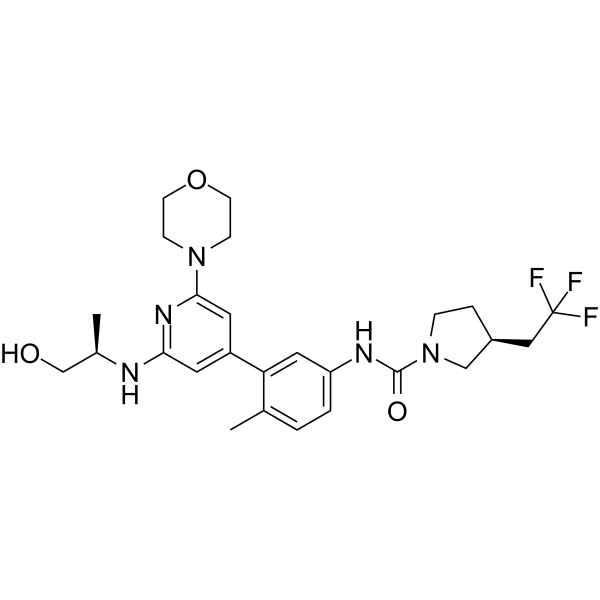 0 ImagesSynonyms: RAF/KIN_2787Exarafenib (RAF/KIN_2787) is an orally-available, selective pan-RAF inhibitor. Exarafenib is effective in RAF-dependent cancers, including all classes of BRAF alterations. Exarafenib suppresses MAPK signaling in RAF-dependent melanoma cell lines. Exarafenib has anticancer activity.
-
Skatole
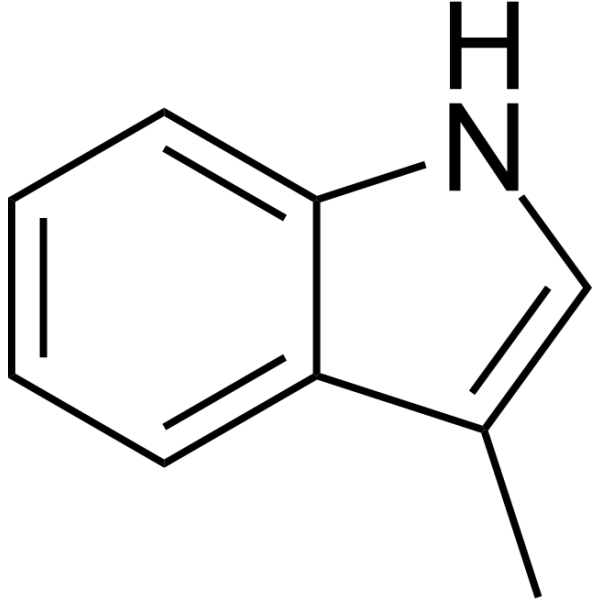 0 ImagesSynonyms: 3-Methylindole; 3-Methyl-1H-indoleSkatole (3-methylindole) is a heterocyclic compound naturally found in the feces of vertebrates and can be found in certain plants. Skatole can be produced by intestinal bacteria, inducing apoptosis of intestinal epithelial cells through activating aryl hydrocarbon receptors (AhR) and p38. Skatole has been used in specific products of the perfume industry or as a flavor additive in ice cream.
-
PF-3644022
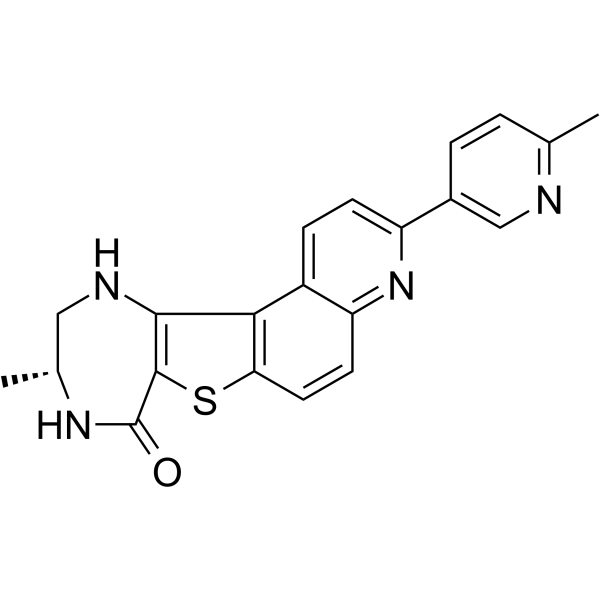 0 ImagesPF-3644022 is a potent, selective, orally active and ATP-competitive MAPKAPK2 (MK2) inhibitor with an IC50 of 5.2 nM and a Ki of 3 nM. PF-3644022 also inhibits MK3 and p38 regulated/activated kinase (PRAK) with IC50s of 53 nM and 5.0 nM, respectively. PF-3644022 potently inhibits TNFα production and has anti-inflammatory effect.
-
Dihydrocaffeic acid
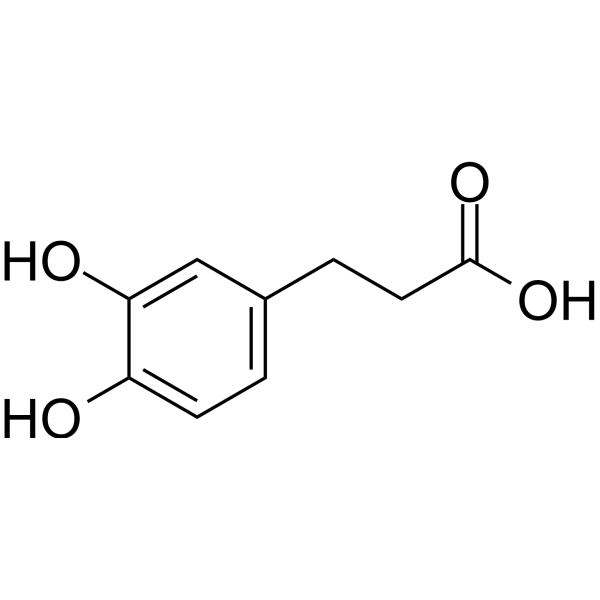 0 ImagesDihydrocaffeic acid is a microbial metabolite of flavonoids. Dihydrocaffeic acid scavenges intracellular ROS and increases nitric oxide synthase activity. Dihydrocaffeic acid reduces phosphorylation of MAPK p38 and prevent UVB-induced skin damage. Dihydrocaffeic acid has antioxidant, anti-inflammatory and anti-cartilage degradation activities.
-
AR420626
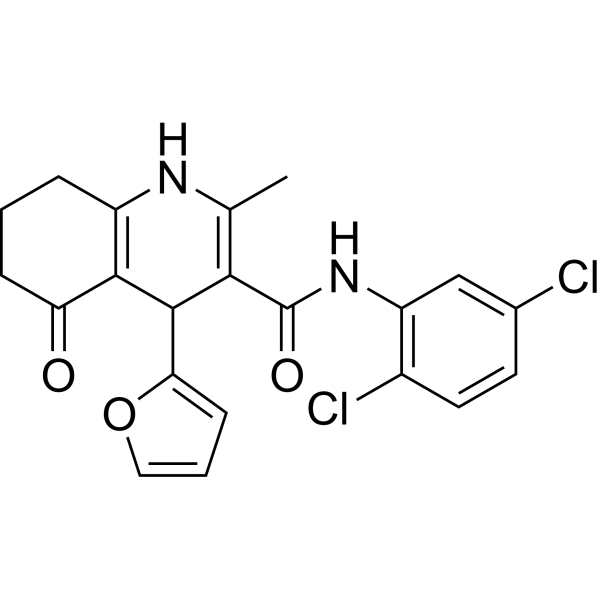 0 ImagesAR420626 is a selective agonist of free fatty acid receptor 3 (FFAR3) (IC50=117 nM). AR420626 has anti-inflammatory, anticancer and antidiabetic activities. AR420626 improves neurogenic diarrhea by inhibiting nAChR mediated neural pathways. AR420626 inhibits the growth of HepG2 xenografts and inhibits the proliferation of hepatoma cells by inducing apoptosis. AR420626 also suppresses allergic asthma and eczema and has the ability to activate GPR41 to increase Ca2+ signal-mediated glucose uptake and improve diabetes.
-
Sappanone A
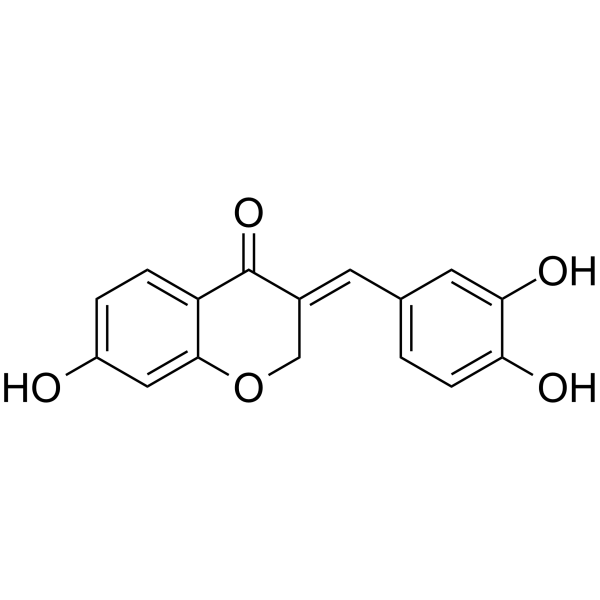 0 ImagesSappanone A is an orally active homoisoflavone found in sappan L. Sappanone A is a PDE4 and NF-κB inhibitor with anti-inflammatory and antioxidant effect. Sappanone A induces HO-1 expression through activation of Nrf2 pathway. Sappanone A also inhibits RANKL-induced osteoclastogenesis. Sappanone A has great potential in the research of inflammation-related and cardiovascular .
-
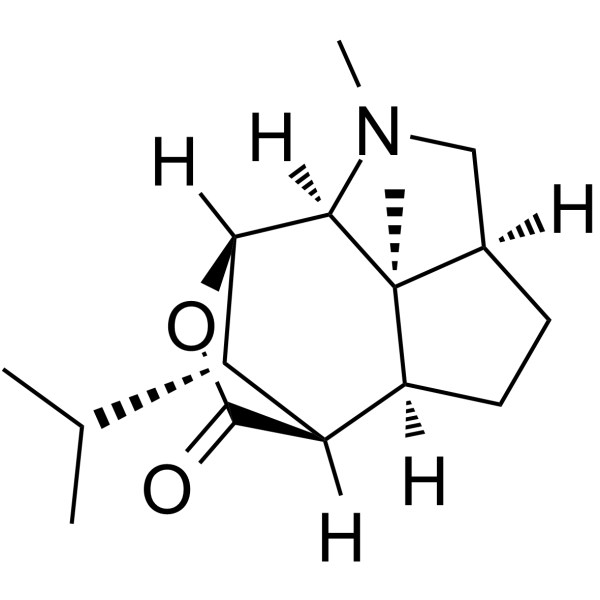
Dendrobine
 0 ImagesDendrobine is an alkaloid isolated from Dendrobium nobile. Dendrobine possesses antiviral activity against influenza A viruses, with IC50s of 3.39 μM, 2.16 μM and 5.32 μM for A/FM-1/1/47 (H1N1), A/Puerto Rico/8/34 H274Y (H1N1) and A/Aichi/2/68 (H3N2), respectively. Dendrobine activates the JNK/p38/Nrf2 signaling pathway. Dendrobine exhibits antiviral, antitumor, anti-inflammatory, and neuroprotective properties.




